Waiting for the Light Is the Amateur's Alibi
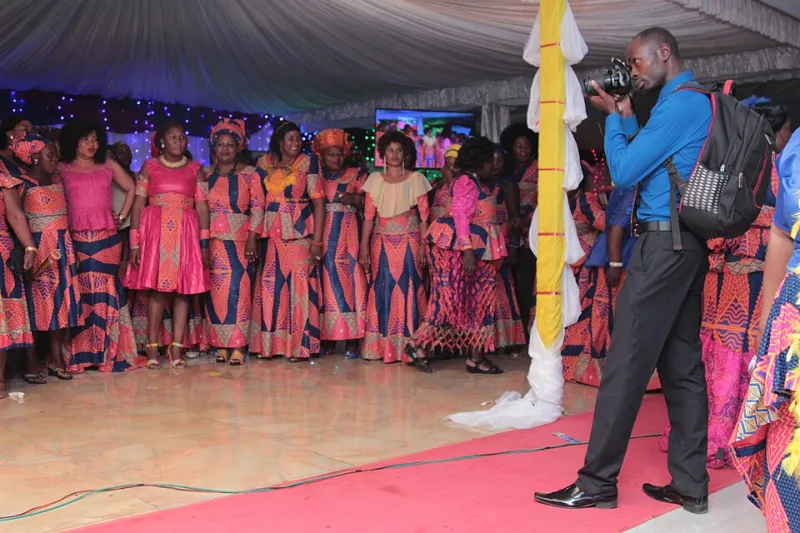
Photo: KelvinJM, CC BY-SA 4.0, via Wikimedia Commons
Ask any group of American photographers when the best light happens, and you'll hear the same liturgy: an hour after sunrise, an hour before sunset, when the sun hangs low and everything it touches turns to honey. The golden hour has ascended from a useful observation to a superstition. Clients request it by name. Calendars are built around it. Entire wedding timelines bend to accommodate it.
We'd like to file a dissent.
The golden hour is real, and it is lovely. But treating it as a prerequisite is not craft — it is delegation. It hands the outcome to the sky and calls it professionalism. The photographs that actually shape a brand, close a campaign, or hang above a mantel for three generations were, more often than not, made in conditions the amateur would have rescheduled.
The Canon Wasn't Shot at Sunset
Consider the work that defined American editorial photography. Richard Avedon built his most searing portraits against seamless white paper — a light source that doesn't care what time it is. Annie Leibovitz's most reproduced images were frequently lit like stage sets, at hours no one would call magic. The mid-century advertising canon — the chrome, the gloss, the hard-edged glamour — was manufactured under banks of strobes in Manhattan studios while the sun did whatever it pleased outside.
Even the natural-light masters were more deliberate than the myth suggests. The great midday landscapes of the American West weren't accidents of scheduling. They were exercises in contrast management — knowing where shadow would fall, what it would conceal, and what it would carve out of the terrain. Harsh light is not bad light. It is information-rich light. It simply refuses to flatter the unprepared.
What 'Perfect Conditions' Actually Costs You
Here is the practical problem with the golden-hour doctrine: it shrinks the working day to roughly two hours, and it teaches everyone involved — photographer and client alike — that the rest of the day is a compromise.
For a commercial client, that arithmetic is expensive. A brand shoot confined to sunset windows stretches a one-day production into three. For a wedding couple, it means the ceremony, the reception, the first dance — the actual story of the day — happens in light someone has already written off. For a portrait subject, it means rescheduling around the weather instead of around their life.
A professional does not negotiate with the clock. A professional walks into a dim warehouse at 2 p.m. and sees a single hard window as a Fresnel. Walks onto a parking lot at noon and uses the asphalt as a fill card. Sees an overcast sky not as a disappointment but as the largest softbox on Earth, free of charge.
Intent Beats Atmosphere
The deeper issue is philosophical. Golden-hour thinking assumes the photograph is something that happens to you — that if you stand in the right place at the right time, greatness will land on you like weather. Legendary imagery works the other way around. It begins with a decision about what the frame must say, and then bends every available resource — light included — to that purpose.
A photographer who can only work in golden light doesn't have a style. They have a dependency. The photographer who can walk into a fluorescent-lit conference room, a rained-out field, a windowless convention hall, and still produce an image worth framing — that person has craft. Craft is transferable. Weather is not.
This is not an argument against beautiful light. We will take a low sun raking across a Kansas field any day it's offered. It is an argument against surrendering the outcome to it. The question a serious photographer asks is never "when is the light good?" It is "what does this frame require, and how do I build it from what's here?"
The Client's Takeaway
If you're hiring a photographer — for a wedding, a rebrand, a portrait that will outlive you — be suspicious of anyone whose first question is about timing the sunset. Ask instead how they handle the hours in between. Ask what they do when the forecast collapses. The answer tells you whether you've hired someone who takes pictures when conditions allow, or someone who makes pictures, period.
The golden hour is a gift when it arrives. But legacies are not built on gifts. They're built on decisions — made in advance, executed in any light, at any hour, in any weather the American sky cares to produce.