The Frame Outlasts the Feed: Inside America's Return to the Printed Executive Portrait
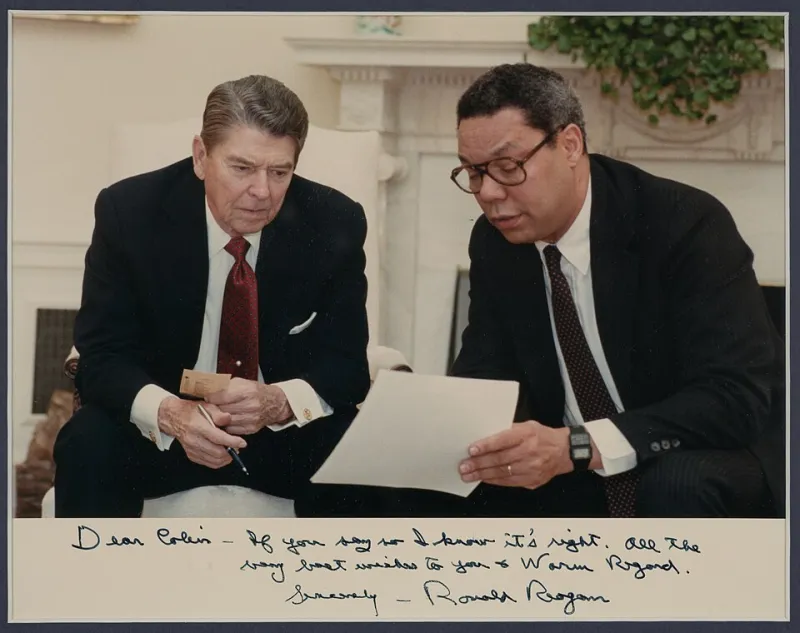
Photo: Office of the President, Public domain, via Wikimedia Commons
Walk the lobby of a newly renovated headquarters in Dallas, Chicago, or Charlotte and you may notice something unexpected: a framed portrait, printed large, hung with intention. Not a screen cycling through brand messaging. Not a wall of logos. A portrait — lit like a painting, finished like a heirloom, bearing the face of a person who runs the place.
For two decades, the executive image lived in pixels. It floated on LinkedIn, shrank into email signatures, and disappeared into the scroll. Now it is coming back down to earth, onto paper, and behind glass. The question worth asking is not whether the trend is real, but why it is happening at all.
The Digital Image Has No Weight
A digital portrait is infinitely reproducible and infinitely disposable. It can be updated, cropped, replaced, deleted. That flexibility is precisely what makes it forgettable. An image that can vanish with a rebrand carries no claim to permanence — and permanence is what authority is made of.
The founders of American industry understood this. The portraits that hung in the banks and rail offices of the last century were not decoration. They were declarations: this person is here, this person endures, this institution rests on a human face. The revival of the format suggests that today's executives have noticed something their digital-first predecessors missed — that an image only signals commitment when it cannot be quietly swapped out.
What Interior Designers Are Seeing
The professionals who furnish corporate America have a front-row seat to this shift. Several patterns recur in their accounts.
Scale matters. A portrait printed at 30 by 40 inches or larger reads as an institutional statement. At that size, the image stops being a profile photo and becomes architecture.
Finish is everything. Matte fine-art papers and museum-grade canvases dominate. The glossy sheen of the office print of the 1990s is gone; the current aesthetic favors depth, texture, and the quiet confidence of materials meant to last decades.
Placement is deliberate. These portraits hang where decisions are made — above the boardroom mantel, flanking the conference room door, anchoring the reception area. They are positioned to be encountered, not browsed.
The Trust Arithmetic
There is a practical logic beneath the aesthetics. Business, particularly in the American market, still runs on credibility that no website can fully manufacture. A client who walks into a suite and sees the leadership rendered seriously — in proper light, at proper scale, in a frame that will outlast the current fiscal year — receives a message no testimonial page can deliver.
The portrait says: we plan to be here. We are not a pivot, a rebrand, or a disappearing act. It is the visual equivalent of a signature on a long lease.
Not Nostalgia — Strategy
It would be easy to mistake this revival for retro sentiment. It is better understood as a hedge. The digital presence remains essential, of course; the LinkedIn headshot still does its daily work. But the printed portrait performs a different function entirely. It is the slow, stationary counterpart to the fast, scrolling image — the one investment in a face that compounds rather than depreciates.
In an era when every competitor looks identical online, the wall portrait has become a differentiator precisely because it demands something the feed never asks for: commitment to a single, serious image of oneself.
The Craft Behind the Statement
None of this works with a casual photograph. A portrait destined for a 40-inch print exposes every shortcut — flat lighting, generic posing, a background that betrays a conference room corner. At scale, technique is not optional.
This is where the distinction between a headshot and a portrait becomes commercial fact. The headshot documents. The portrait argues — for presence, for permanence, for a career worth rendering in the tradition of the founders whose frames still hang in the oldest rooms of American enterprise.
The feed will move on by Friday. The frame, hung with intention, will still be speaking long after the scroll has forgotten everyone in it.