After the Applause: Where the Real Portrait Begins
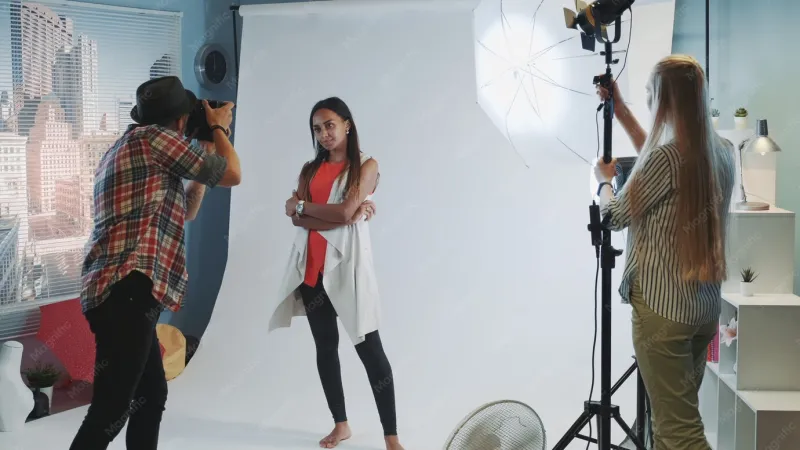
Photo: photographer directing client portrait session behind the scenes studio dramatic lighting, via img.freepik.com
Every photographer who has spent enough years behind the lens knows a secret that rarely makes it into the marketing brochure: the best work from any engagement is almost never the work the client paid for first.
It is not that the initial session goes badly. Far from it. The first sitting is usually competent, sometimes excellent — a portfolio's worth of polish delivered on schedule. But somewhere in the back of every seasoned photographer's mind, there is a quiet countdown running. We are waiting for the second time you walk through the door.
The First Session Is an Audition, Not a Performance
Understand what the first session actually is. You have rehearsed in front of a bathroom mirror. You have opinions about your own jawline that date back to a high school yearbook. You arrive carrying twenty or thirty years of accumulated anxiety about being photographed, and no amount of studio craft can fully override that in the first hour.
So the first session becomes a negotiation. The photographer directs, you comply, and the results are portraits of a person trying to look natural — which is a contradiction in terms. The lighting may be flawless. The retouching may be impeccable. But the images are fundamentally defensive.
Then something interesting happens. A week later, the gallery arrives. You look at yourself rendered in dramatic light, larger than life, and — this is the critical moment — you stop flinching. You see what the camera sees. The self-consciousness that governed every frame begins to dissolve, replaced by something closer to curiosity.
That is the moment the second session becomes possible.
What Changes the Second Time Through
In our studio, we call it the director's cut. The client returns — usually six to twelve weeks after the first session — and the dynamic is entirely different. The nervous small talk is gone. The wardrobe choices are bolder, informed by what actually worked on camera rather than what seemed safe in a closet. Most importantly, the collaboration inverts: instead of a photographer directing a subject, two people are now building images together.
The practical differences are measurable. Second-session clients hold poses longer. They take direction faster and push back with ideas of their own. They will attempt the low-key, single-source setup or the wind-machine editorial shot that would have read as absurd during a first meeting. Creative risk — the ingredient that separates a competent portrait from a legendary one — only becomes available once trust exists on both sides of the camera.
There is a reason Hollywood does not shoot the defining scene on the first day of production. The same logic governs portraiture.
Timing the Second Look
For clients considering a follow-up session, timing matters more than most people expect. Too soon, and the first session's lessons have not settled. Too late, and momentum is lost. The window we recommend is roughly two to three months — long enough for the first gallery to be lived with, short enough that the studio relationship still feels active.
Wardrobe deserves equal deliberation. The second session is the place for the piece you were not brave enough to wear the first time: the saturated color, the structured silhouette, the vintage find. Bring options. A director's cut session should have room to pivot mid-shoot, because the best frames often emerge from a wardrobe change nobody planned.
And expect the photographer to push. If your second session feels entirely comfortable, it is probably not producing anything the first session could not have. Discomfort — the good kind, the kind that comes from attempting something ambitious — is a feature, not a flaw.
Why the Industry Undersells It
The follow-up session remains strangely absent from most American studios' offerings, likely because it resists easy packaging. It cannot be sold as a package tier or discounted as an add-on. It requires a photographer willing to say, honestly, that the first session was the warm-up.
But clients who have experienced it rarely need convincing. They are the ones whose portraits hang framed in a hallway rather than buried in a camera roll — the ones whose image stops a hiring committee mid-scroll or anchors a wedding album's opening page. They took a second look, and the second look took them seriously.
The first frame proves you belong in front of the camera. The second proves the camera belongs to you.