Noon, Overcast, or Fluorescent: Why the Best Photographers Never Wait for Permission to Shoot

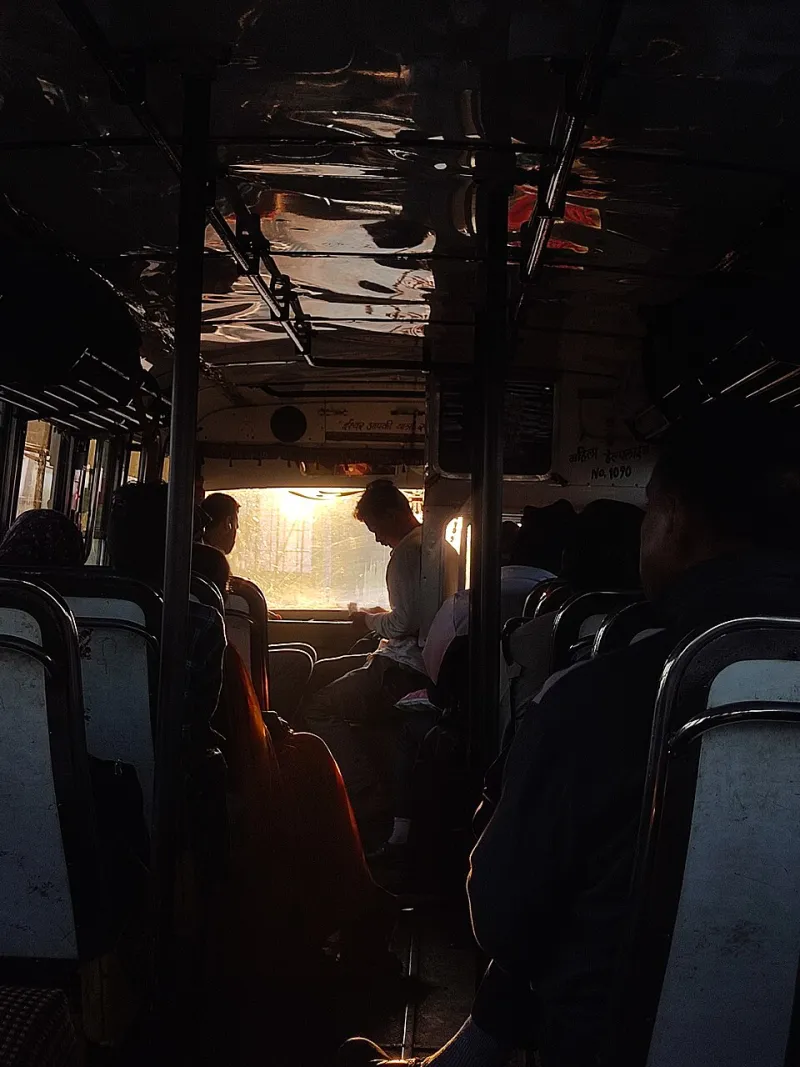
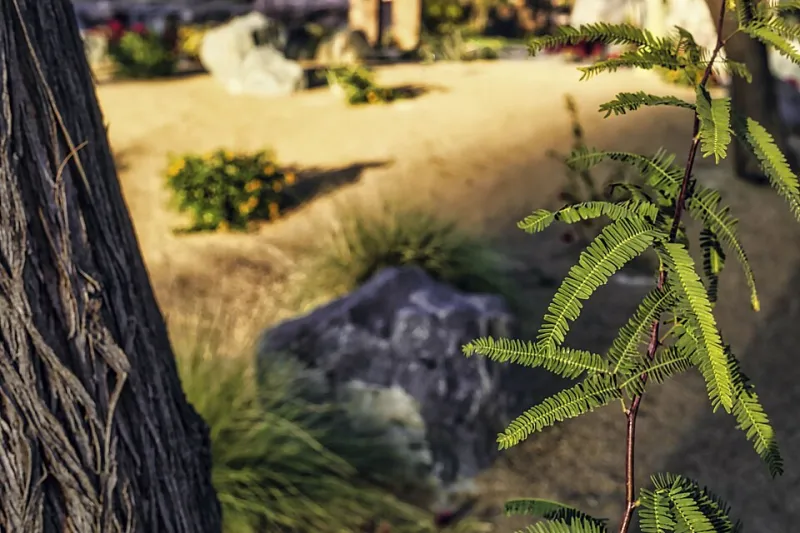
Photo: Charles J. Sharp, CC BY-SA 4.0, via Wikimedia Commons
Somewhere along the way, American photography culture adopted a superstition: that beautiful images only exist in the sixty minutes before sunset. Scroll any photography forum and you will find the same confession repeated like a liturgy — I couldn't shoot, it was the middle of the day.
We would like to respectfully disagree. At Majestic Imagery, some of our most requested frames were captured at 12:47 PM on a cloudless August afternoon, or beneath the humming panels of a dentist's office in suburban Ohio. The golden hour is not a myth because the light is bad. It is a myth because it implies that light is something that happens to you.
The Real Problem: Light Is a Material, Not a Weather Event
Amateur photographers treat light like weather — something to be forecast and endured. Professionals treat it like lumber or marble: a raw material to be cut, shaped, and refined. Once you make that mental shift, the entire day opens up.
Consider what actually makes golden hour flattering. The sun sits low, so light arrives at a shallow angle, wrapping across faces rather than hammering down from above. Shadows lengthen and soften. Contrast drops into a pleasing range.
Notice what is missing from that list: the sun itself. Nothing in that description requires the sun. It requires low-angle, directional, softened light — and that can be found or fabricated at any hour.
Conquering the Midday Sun
High noon is the most feared light in the business, and the fix is elegantly simple: stop shooting with the sun. Instead, put your subject's back to it and let the sun become a giant hair light, rimming shoulders and catching flyaway strands. Then open up with a reflector or a touch of fill flash from the front.
On a recent engagement session outside Nashville, we shot a couple at 1 PM against a limestone wall, the sun blazing behind them. The frame glows. Every strand of her hair is lit like wire. No passerby would guess the clock.
Three midday tactics worth stealing:
- Open shade is your studio. The north side of any building offers soft, directional light all day — essentially a free softbox the size of the structure.
- Flag the sun. A scrim, a diffusion panel, even a white bedsheet stretched between two assistants turns harsh overhead light into a gentle shower.
- Embrace the hard look. Some campaigns want brutal noon light — crisp shadows, high contrast, a desert-Western severity that flatters nothing and yet looks unmistakably deliberate.
Overcast Skies: The World's Largest Softbox
Clients frequently call to reschedule when storms roll in. We try to talk them out of it. A heavy overcast sky is a ten-thousand-foot diffusion panel, and while the flat, shadowless light it produces can look dull in unskilled hands, it is also the most forgiving canvas in existence — particularly for rich, saturated color work.
The trick is adding direction back in. A single off-camera flash, dialed down and feathered from forty-five degrees, restores dimension to a gray-day portrait. The result reads as moody, editorial, almost painterly — the kind of frame that would cost a fortune to stage on a sunny day.
Fluorescent Ceilings and Other Indoor Crimes
Then there is the office. Fluorescent tubes cast a sickly green cast, flicker at frequencies cameras can detect, and illuminate everything from directly overhead — the single least flattering angle known to humankind.
Our approach is unapologetically blunt: we turn them off. Most office fixtures can be switched individually, and the moment the ceiling goes dark, the room becomes a blank stage. Two battery strobes, one large modifier, and a conference room in downtown Denver becomes indistinguishable from a rented studio. We have produced full executive portrait sets this way for clients who never knew their headquarters had that potential.
If the fixtures cannot be switched, we overpower them — strobes at full output, shutter synced fast enough that the ambient green contribution falls to nearly nothing.
Skill Is the Secret; Luck Is a Side Effect
None of this diminishes the genuine pleasure of shooting at sunset. But the photographers whose work you admire are not lucky. They are fluent. They walk into a fluorescent-lit break room at 3 PM and see three lighting solutions before they finish setting down their bag.
The golden hour will always be lovely. It simply stopped being necessary the moment photographers learned that light is not found — it is made.