Stop Renting Your Brand's Face: The Case for One Cinematic Shoot a Year
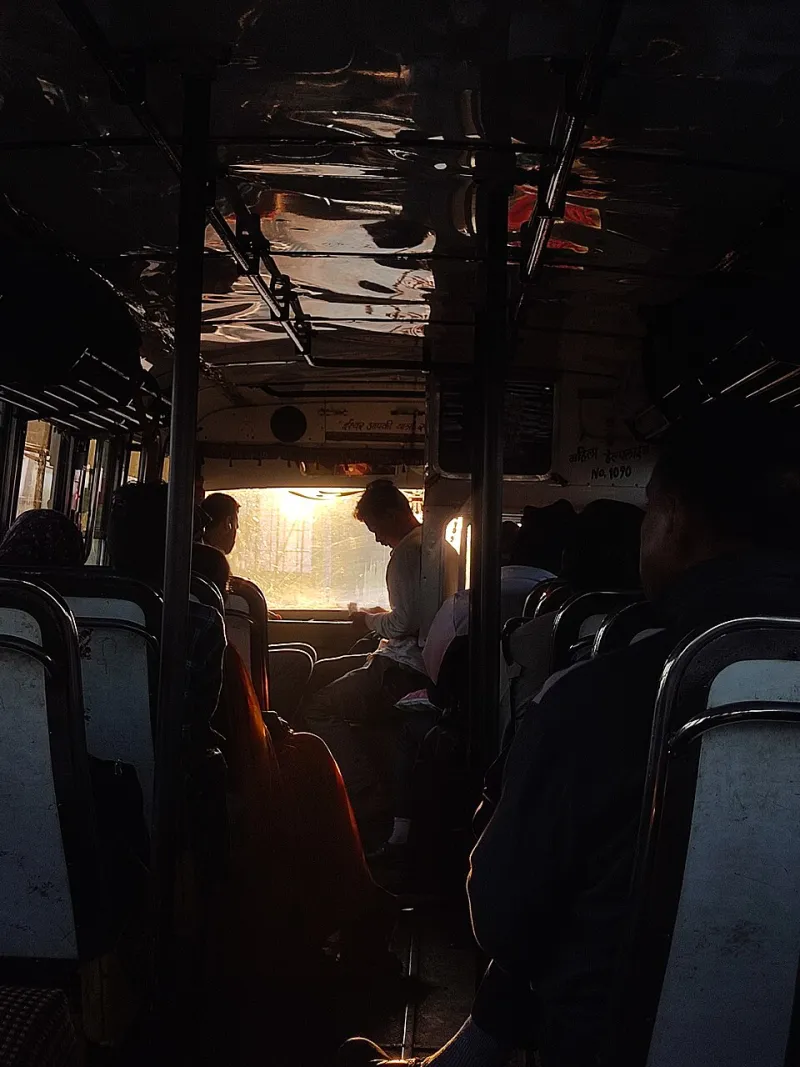
Photo: Ansh patanker, CC0, via Wikimedia Commons
Somewhere in your marketing budget right now is a line item for stock photography. It renews quietly. It produces images that a competitor in another state could license tomorrow morning — images, in fact, that dozens of companies are already using. This is the standard arrangement, and it deserves to be challenged.
The alternative is not a bigger budget. It is a different structure: one cinematic, editorial-quality shoot per year, planned like a campaign and executed like a film production. Done correctly, it replaces twelve months of piecemeal image purchases with a library of visuals nobody else on earth owns.
Why Stock Stops Working at a Certain Size
Stock imagery made sense when a company's digital footprint was a website and a brochure. It makes far less sense now that a mid-sized brand publishes across a website, email, social platforms, sales decks, job postings, and paid media — all in the same month, all needing to look like the same company.
Audiences have also been trained. A decade of scroll-feeding has taught consumers to recognize the stock photo tell: the over-lit handshake, the impossibly diverse boardroom, the latte on the laptop. Recognition reads as generic, and generic reads as interchangeable. For a brand trying to justify a premium price, that is a quiet, compounding tax.
What Cinematic Actually Means
Cinematic photography is not a filter. It is a discipline borrowed from film production: deliberate lighting with contrast and shadow rather than flat brightness, composition that directs the eye like a storyboard frame, color palettes graded to the brand, and real environments — the actual lobby, the actual workshop, the actual chef at the actual pass.
The results across industries show why it works:
- Hospitality. Boutique hotels learned long ago that a moody, golden-hour image of a real guest by a real fireplace sells rooms at higher rates than any bright, generic stock interior. The image does not describe the property; it makes you feel the stay.
- Real estate. Twilight exterior shots with warm interior glow have become the genre's signature because they tell a story — arrival, warmth, home — rather than merely documenting square footage. Listings with this treatment routinely command more attention in crowded markets.
- Fashion and consumer brands. The editorial look — hard light, intentional shadow, models mid-motion in real locations — is what separates a brand campaign from a product catalog. It borrows the visual grammar of the magazine spread, and audiences respond to that borrowed authority.
The Twelve-Month Architecture
The craft of the annual shoot is planning. Before a single light is set, map the year: product launches, seasonal campaigns, hiring pushes, the trade show calendar. Then design a production that captures all of it in one or two concentrated days.
A typical structure for a mid-sized company:
- Hero imagery — five to ten signature frames for the website homepage, campaign headers, and paid media. This is where the cinematic budget concentrates.
- Environmental storytelling — wider scenes of the team, the process, the space, for about pages and recruiting.
- Detail library — textures, close-ups, and vertical crops sized for social, so every platform gets native-feeling assets from the same session.
- Leadership portraits — consistent, editorial-grade headshots and environmental portraits, so the entire executive presence matches.
Budget honestly: for most mid-sized US companies, a serious annual production — creative direction, crew, location, licensing-free ownership — lands in the range of a mid-level employee's quarterly salary. Compare that against twelve months of stock subscriptions, freelance one-offs, and the brand dilution of looking like everyone else, and the annual shoot usually wins on both cost and consistency.
Ownership Is the Real Asset
The final argument is legal and financial. Stock is rented; a commissioned shoot is owned. Every image belongs to the company outright, cleared for any use, forever. The library appreciates as the brand grows, and no licensing surprise ever arrives the week of a major launch.
A brand's imagery is its face. Companies would never rent their logo or license their name from a shared pool. The annual cinematic shoot simply extends that same logic to the pictures — and the companies that make the switch rarely go back.