Directing the Day: How a Pre-Wedding Storyboard Becomes the Blueprint of a Legendary Album
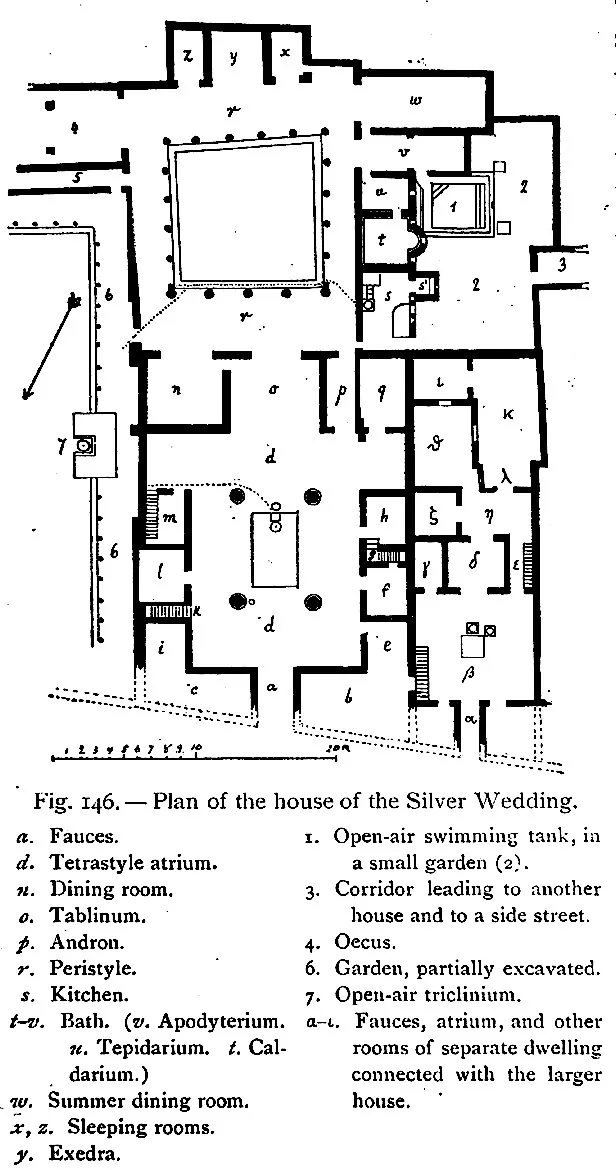
Photo: Unknown, CC BY 4.0, via Wikimedia Commons
Every legendary wedding album begins long before the first boutonnière is pinned. It begins at a table, with coffee, a calendar, and a conversation about what the day will actually feel like. At Majestic Imagery, we treat every wedding like a film production — and like any production worth its budget, it starts with a storyboard.
Why the Best Albums Are Written in Advance
Couples often assume that a gifted photographer simply shows up and captures magic. Talent matters, certainly, but improvisation has a ceiling. Without a plan, the ceremony becomes a series of reactive snapshots: the kiss, the rings, the first dance — technically fine, emotionally generic. The albums that stop people mid-scroll are different. They have arcs. They have acts. They have a couple framed against a specific sliver of light at a specific hour because someone knew that light would be there.
That knowledge is not luck. It is storyboarding.
Mapping the Emotional Beats
A wedding, like any great story, has a structure worth honoring on paper. We encourage couples to sit down with their photographer six to eight weeks out and sketch the emotional timeline of the day:
- The quiet before — the hotel room, the dress on the hanger, a father rehearsing a toast in the hallway
- The crescendo — the processional, the vows, the moment hands are held a beat too long
- The release — the recessional, the embrace with grandma, the champagne poured
- The exhale — golden hour portraits, the toasts, the dance floor at its wildest
When these beats are named in advance, the photographer knows where to stand, when to move, and which lens to have mounted. More importantly, the couple knows which moments matter most to them — and those moments get the attention they deserve.
Chasing the Light Before It Arrives
Lighting is the difference between a photograph and an image that belongs in a frame. A storyboard should include a lighting map of the venue and its surroundings:
- Scout the sun. Note where golden hour falls relative to your ceremony time. A 4 p.m. October ceremony in Vermont offers vastly different light than a June afternoon in Scottsdale.
- Identify the windows. Most venues offer two or three pockets of exceptional light — a west-facing staircase, an open field, a window-lined ballroom. Schedule portraits inside those windows.
- Plan the fallback. Every production has a rain contingency. Know the interior spaces with flattering ambient light before the forecast turns.
A photographer who has walked the venue — even virtually, via photos and a floor plan — arrives with intent rather than instinct alone.
The Pre-Shoot Planning Framework
Here is the framework we hand to every couple:
- Week 8: Vision meeting. Discuss the story you want the album to tell in three sentences.
- Week 6: Venue walkthrough or virtual scout. Map light, sightlines, and portrait locations.
- Week 4: Shot architecture. Build a must-have list of moments, groupings, and details — then trim it ruthlessly.
- Week 2: Timeline alignment. Coordinate with the planner so the schedule protects your best light and your quietest moments.
- Day of: Execute, adapt, and trust the plan — because the plan was built to be bent, not broken.
The Album as Legacy
A wedding album is not a record of an event. It is the first chapter of a family archive, the images your grandchildren will hold decades from now. Those images deserve direction. They deserve a vision committed to paper before the day begins.
The venue will be booked by someone else next year. The flowers will wilt. But a storyboarded album — a day directed with intention — becomes permanent. That is the difference between photographs of a wedding and a visual narrative worthy of the name.