One Sitting, One Century: What the Occasion Portrait Knew That We Forgot
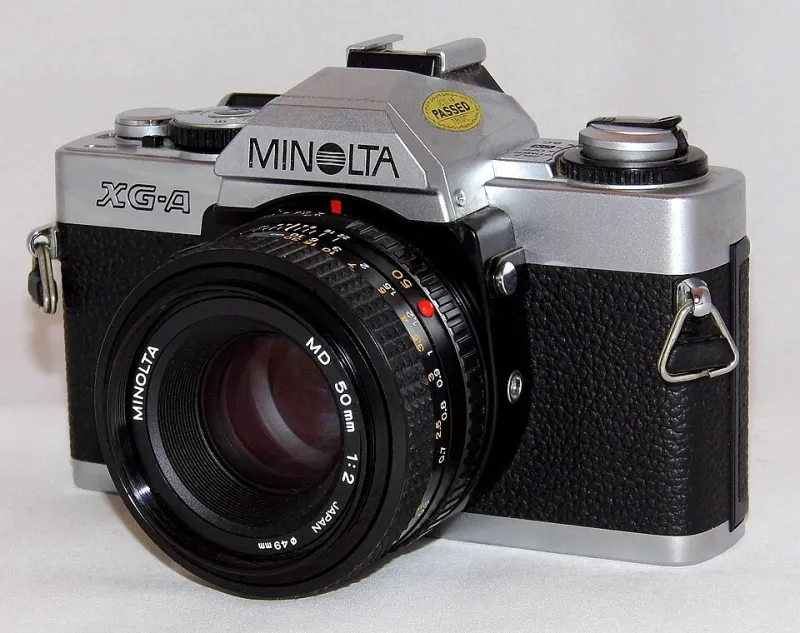
Photo: Joe Haupt from USA, CC BY-SA 2.0, via Wikimedia Commons
There is a photograph in many American attics that follows a familiar pattern: a family, stiffly arranged, dressed in their finest, staring into a lens with the gravity of people who understand that this image must last. Because it had to. In 1850, a portrait was not one of four thousand. It was one of one.
We have spent the last two decades photographing everything except the things that matter most. The question worth asking is whether the old habit — the occasion portrait — understood something about family, memory, and permanence that our endless streams of casual snapshots do not.
When a Photograph Cost a Month's Wages
In the middle of the nineteenth century, sitting for a daguerreotype was a genuine undertaking. Studios in cities like Boston, Philadelphia, and New Orleans charged sums that working families had to save for. Clothing was borrowed or sewn for the day. Children were scrubbed and warned. The trip to the photographer's gallery was planned the way families today plan a holiday dinner.
That scarcity was not a limitation. It was the point. The photograph existed because the family decided, deliberately, that this moment in their story deserved to be fixed forever. A portrait was a declaration: we were here, together, and it mattered.
As photography industrialized through the twentieth century, the price fell and the portrait followed families through their milestones — the studio sitting before the war deployment, the formal Christmas card image, the school picture returned in a manila envelope each autumn. Even the school photo, so easy to mock, carried a quiet ritual weight. You wore the good shirt. You combed your hair. Someone would keep that picture for decades.
The Abundance Problem
Today the average American family generates more images in a week than a nineteenth-century household saw in a lifetime. And yet ask a grown child to find a single recent photograph of their entire family, formally made, and the search often comes up empty.
This is the paradox of the camera roll: infinite volume, no hierarchy. When everything is documented, nothing is commemorated. The casual snapshot is wonderful for texture — the spilled cereal, the backyard sprinkler — but it was never designed to carry the weight of legacy. It lives on a phone that will be replaced in three years, in a cloud account no one will sort after we are gone.
The occasion portrait operated on entirely different logic. It assumed the image would outlive everyone in it. It dressed accordingly.
What the Old Portrait Got Right
Three things separated the traditional studio sitting from today's casual capture, and all three are recoverable.
First, intention. The portrait happened because the family chose a date, marked it on the calendar, and prepared for it. Anticipation is part of what made the image meaningful.
Second, presentation. Dressing up was not vanity; it was respect — for the occasion, for the viewer, for the future. A family wearing its best was saying this moment deserves our effort.
Third, permanence. The portrait was made to be printed, framed, and hung. It had a physical destination: the mantel, the hallway, the parlor wall where three generations of faces watched over daily life.
Bringing the Milestone Back
None of this requires nostalgia or stiff Victorian posing. It requires only that families reclaim the habit of marking chapters deliberately. A portrait when the last child leaves for college. A formal image every five years, so the record shows the family evolving. A sitting that includes grandparents, because the clock on those photographs is the least forgiving of any.
The photographers who do this well are not selling pictures. They are selling the decision to stop and say: this version of us deserves to exist beyond a thumbnail. There is a reason museum archives and historical societies beg families for formal portraits and rarely for screenshots — the deliberate image is the one that survives, and the one that tells the future who we were.
The camera in your pocket will keep taking pictures regardless. The only question is whether, once a year or once a decade, your family will do what families did for a century before us: dress well, gather close, and sit for the picture that was always meant to outlast the day.